Ethically Sourced, Beautifully Cut: Our Gemstone Philosophy
Our Sourcing Story
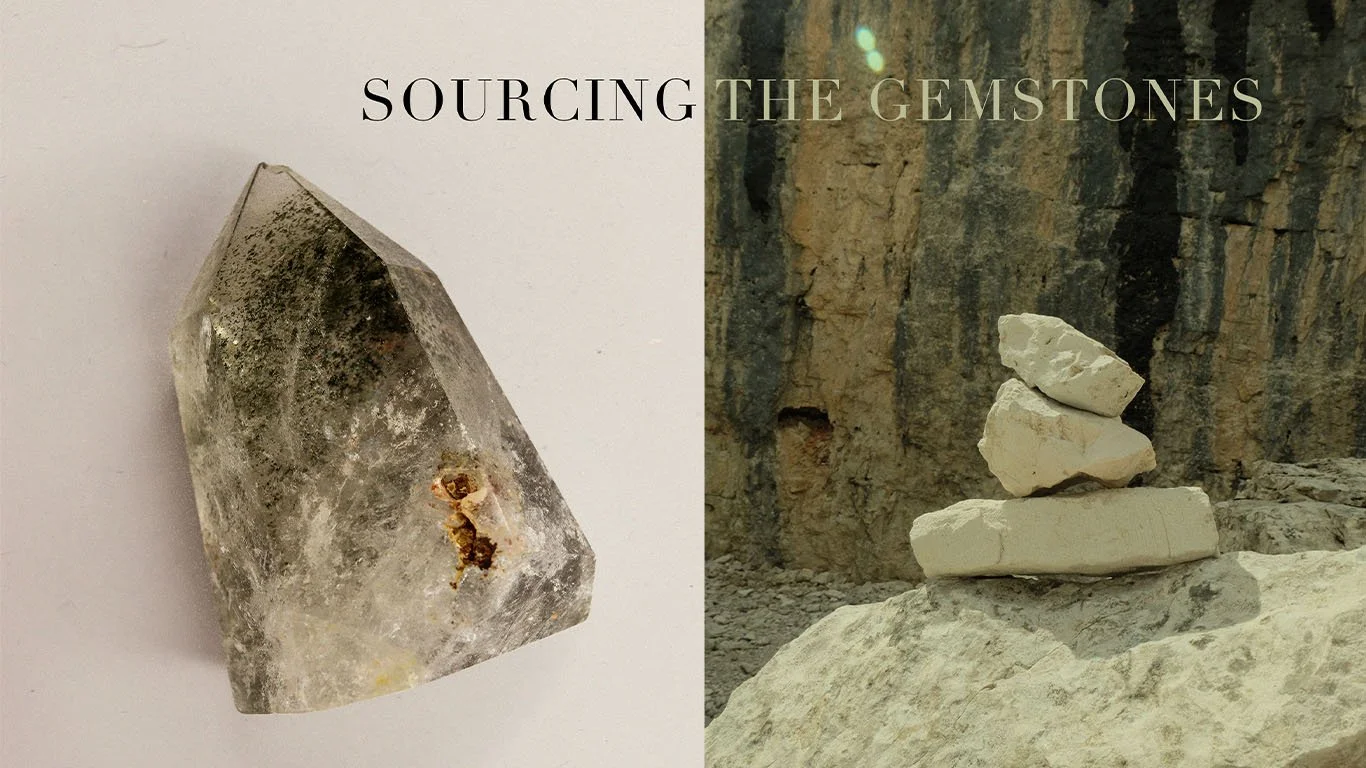
Every stone we set has a story long before it reaches our workshop. Our gemstones are sourced personally, travelling to mines and gem markets across the world to build relationships with independent suppliers Serena has known and trusted for years.
These are not anonymous transactions. They are partnerships built on trust, fair pricing, and a shared respect for the earth these stones come from. Working directly with small, independent suppliers means we can trace each stone back to its origin, ensure fair treatment of the miners and cutters involved, and avoid the opaque supply chains that can hide unethical practices.
We believe luxury and responsibility are not at odds. A truly beautiful gemstone should carry no hidden cost to the people or places it came from.
Where Gemstones Come From
Gemstones form deep within the earth over millions of years, and each variety has its own geological birthplace. Sapphires and rubies are often found in Sri Lanka, Myanmar, Madagascar and Mozambique. Emeralds are prized from Colombia, Zambia and Brazil. Tanzanite is found in only one place on earth — the foothills of Mount Kilimanjaro in Tanzania.
Mining methods vary enormously depending on the stone and region. Some gemstones are extracted through small-scale artisanal mining, where local miners dig by hand using simple tools, often working within tightly regulated cooperatives. Others come from larger, mechanised operations that must meet strict environmental and labour standards.
We prioritise suppliers who follow responsible mining practices — those who rehabilitate land after extraction, ensure fair wages, and avoid conflict zones entirely. Traceability is at the heart of our process, so we always know exactly where a stone has travelled from.
The Art of the Cut
A gemstone's cut determines how it captures and reflects light, and it is where science meets craftsmanship. Master cutters study each rough stone carefully before deciding how to shape it, working to preserve as much of the original material as possible while maximising brilliance.
Brilliant Cut — Used most famously for diamonds, this cut uses triangular and kite-shaped facets to maximise sparkle and light return.
Step Cut (Emerald & Baguette) — Featuring long, rectangular facets arranged in parallel rows, this cut favours clarity and elegance over fire, and takes its name from its traditional use on emeralds.
Cabochon — A smooth, polished dome with no facets at all, typically used for opaque or semi-translucent stones like moonstone, to highlight colour and any internal light effects.
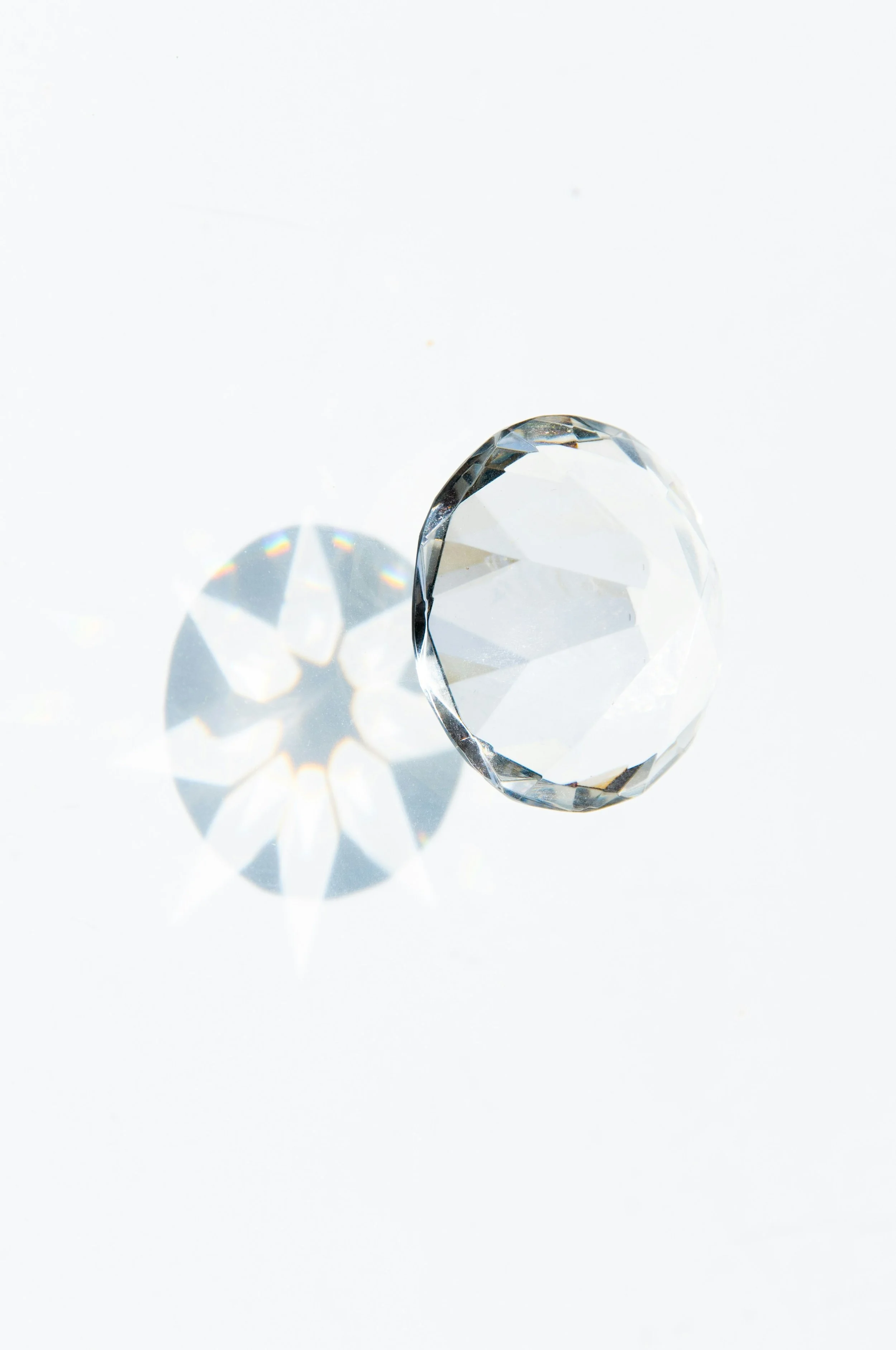
Rose Cut — An antique style with a flat base and a domed, faceted top, prized for its soft, vintage glow.
Ceylon Cut — A traditional style developed in Sri Lanka, cut with a shallower pavilion to maximise the stone's face-up size and preserve carat weight from the rough. It's a technique still favoured by many of the independent cutters we work with.
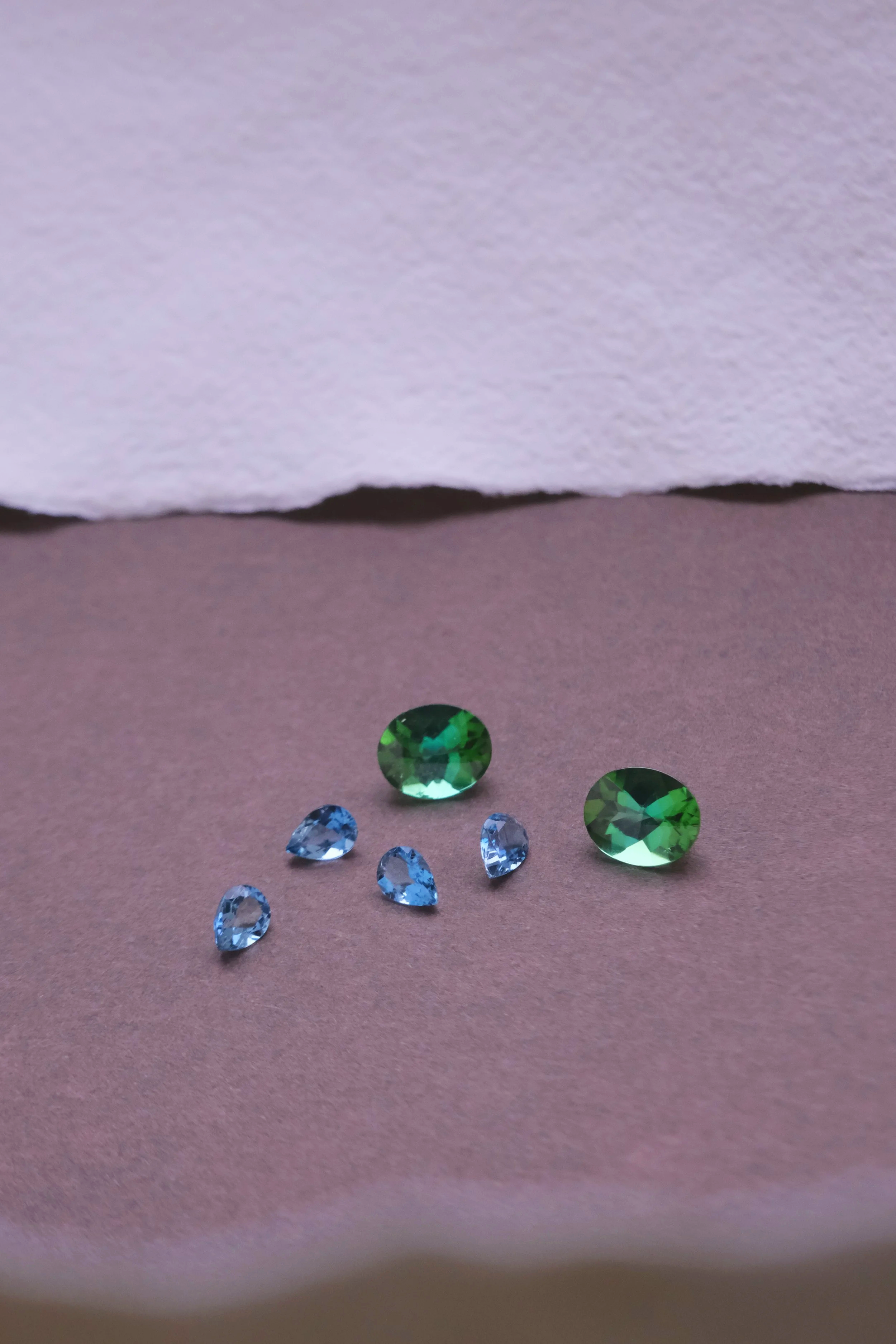
Oval Cut — A modified brilliant cut with an elongated, rounded silhouette, offering the same sparkle as a round brilliant while creating the illusion of greater size and elegantly flattering the finger when set as a ring.
Drop Cut — Also known as a pear or teardrop cut, this style tapers from a rounded end to a single point, combining the brilliance of a round cut with the graceful elongation of a marquise. It's a popular choice for pendants and drop earrings.
Each cut is chosen not just for beauty, but to work with the natural characteristics of the individual stone — its clarity, inclusions, and colour zoning. There are many examples to consider, just starting at the cut.

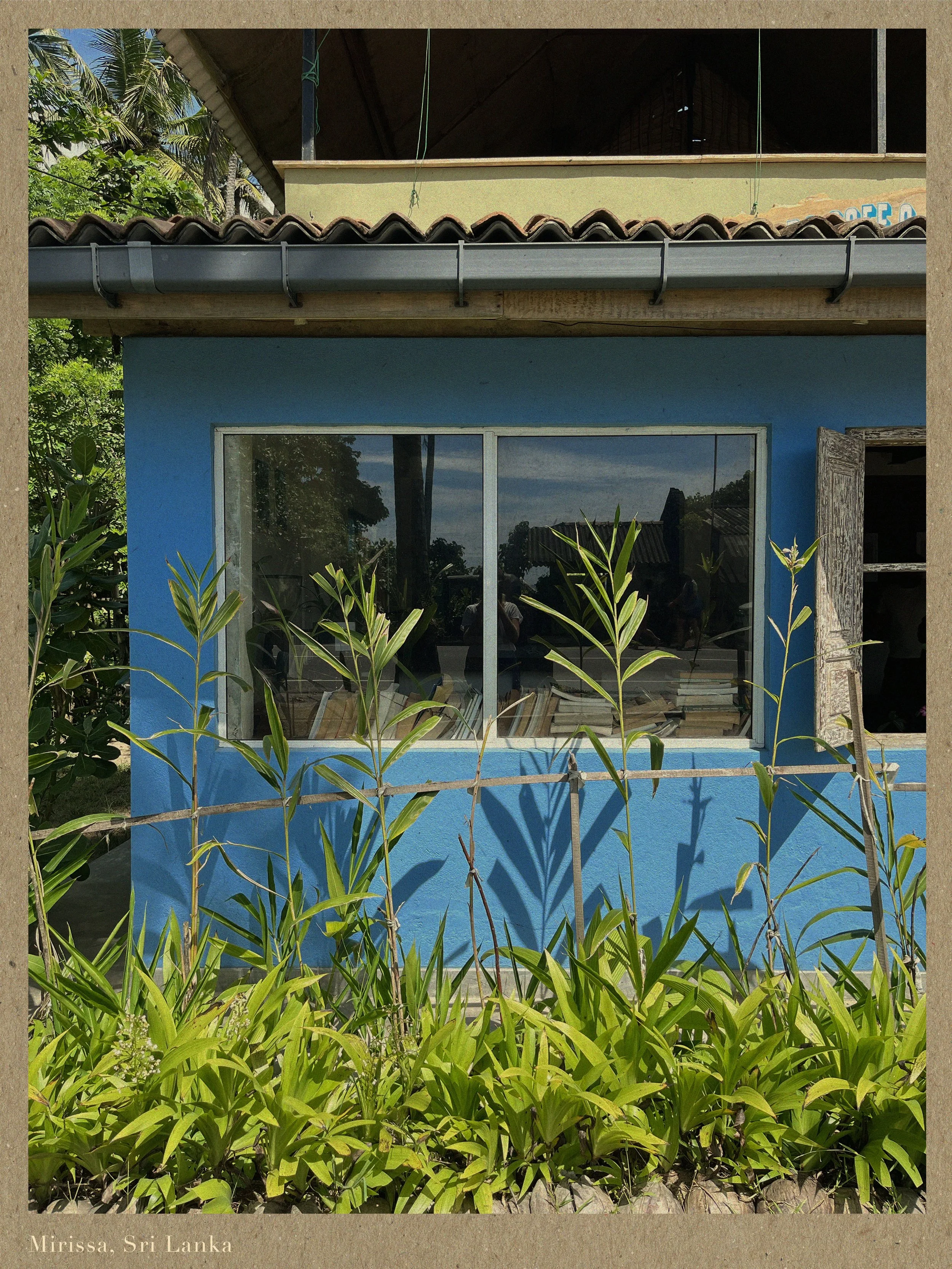
Sri Lanka, where the Ceylon cut originates.
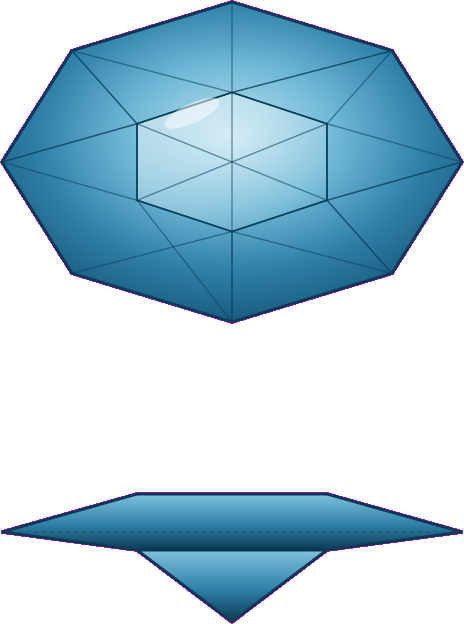
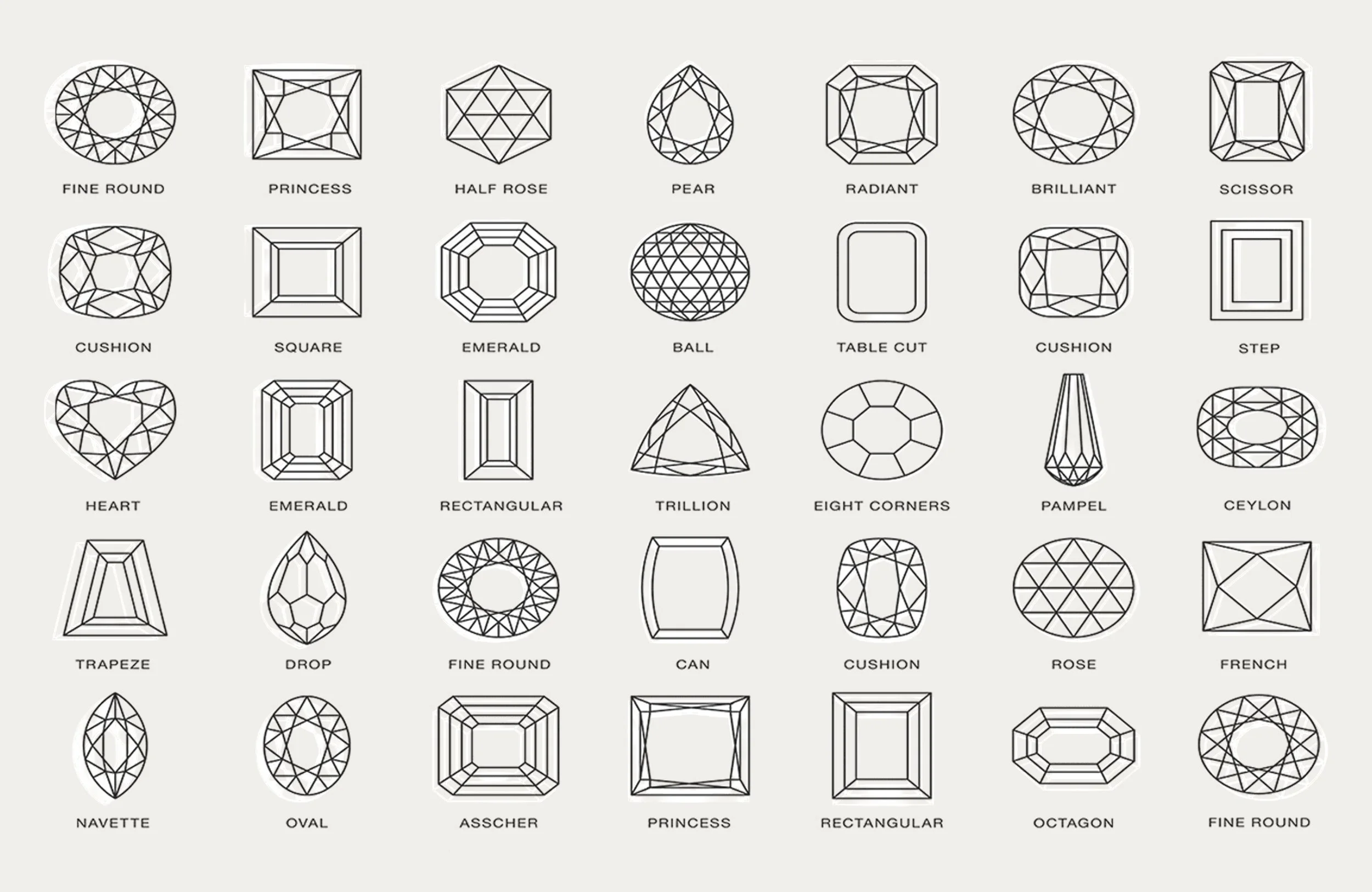
Some of Our Gemstones
Sapphire — Prized for its rich blues, though it occurs in almost every colour, sapphire is one of the toughest gemstones, making it ideal for everyday jewellery. Our finest stones come from Sri Lanka and Madagascar.
Ruby — The most vivid reds in the gem world, rubies symbolise passion and vitality. We source ours from small-scale mines in Mozambique and Myanmar, chosen for their transparent labour practices.
Emerald — Beloved for their lush green colour and natural inclusions, often called a "jardin," emeralds carry character within them. Colombian and Zambian stones form the heart of our collection.
Aquamarine — Named for the colour of the sea, this pale blue-green stone is mined largely in Brazil and Madagascar, and is known for its clarity and calm, luminous tone.
Tanzanite — Found only near Mount Kilimanjaro, tanzanite's striking blue-violet hue makes it one of the rarest gemstones on earth, growing scarcer with every year of mining.
Moonstone — With its soft, glowing sheen known as adularescence, moonstone is often cut as a cabochon to showcase its ethereal light. It's most commonly sourced from Sri Lanka and India.
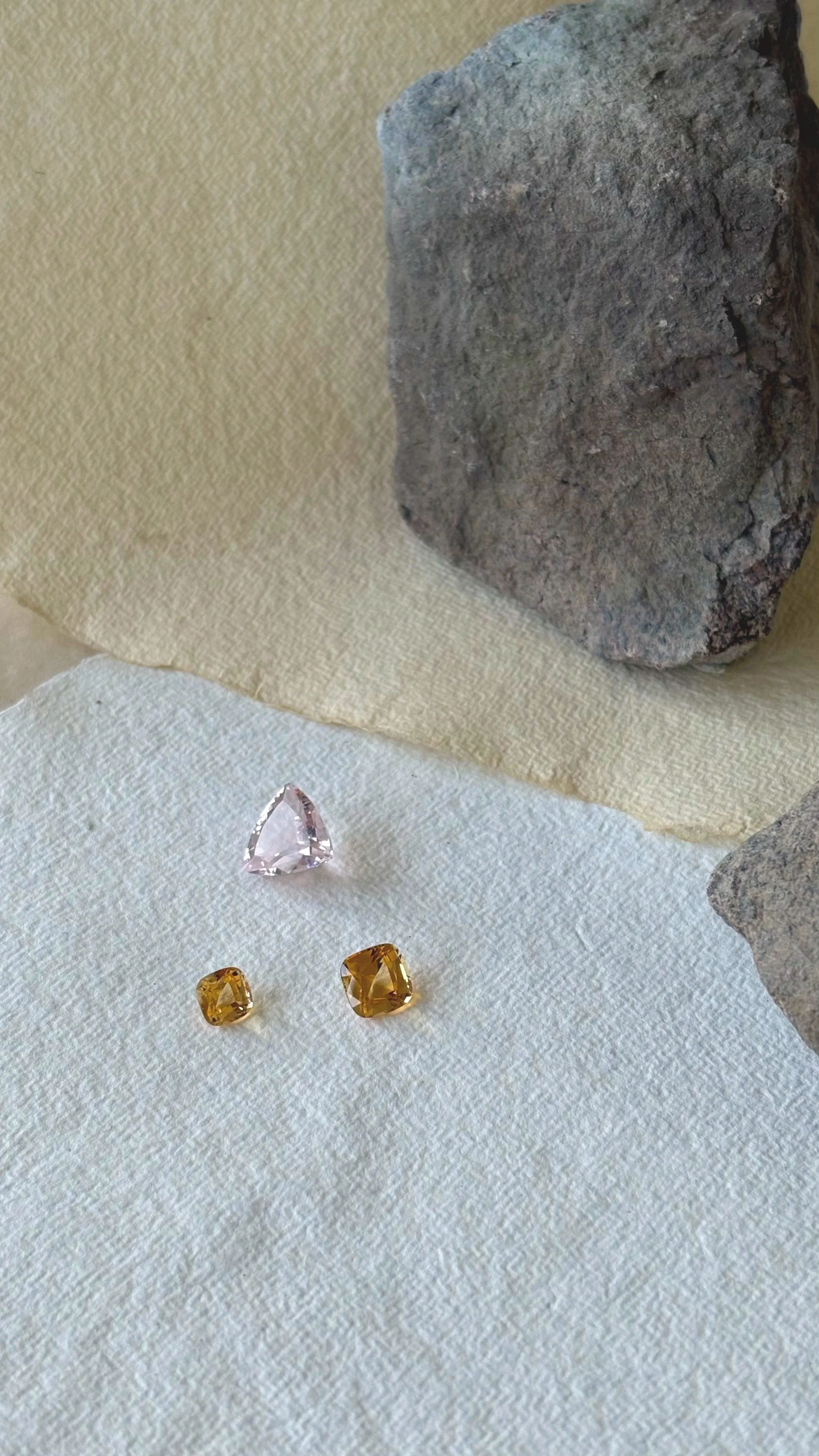
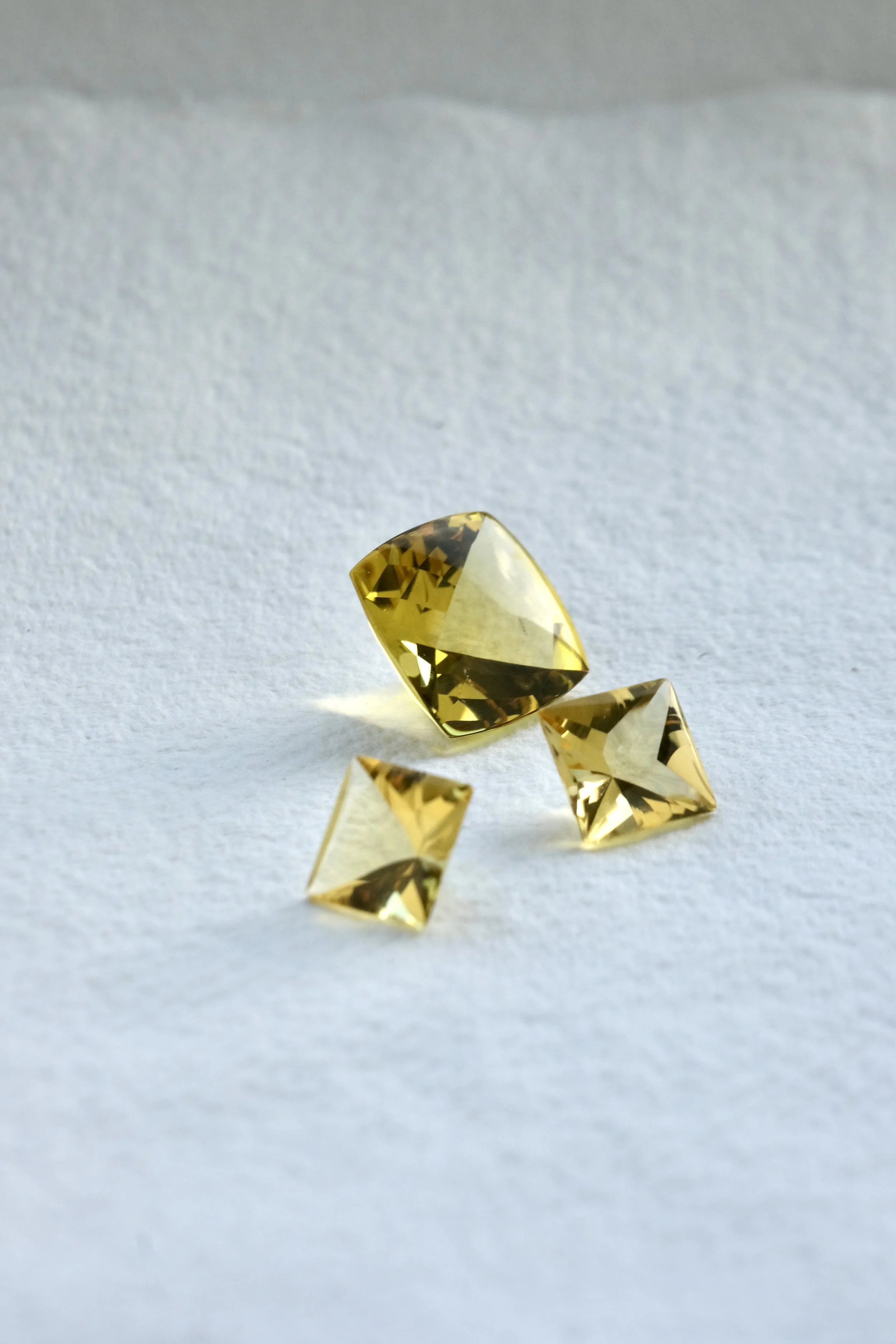
Citrine — A warm, golden variety of quartz, citrine brings sunny, understated colour to jewellery and is mined primarily in Brazil.
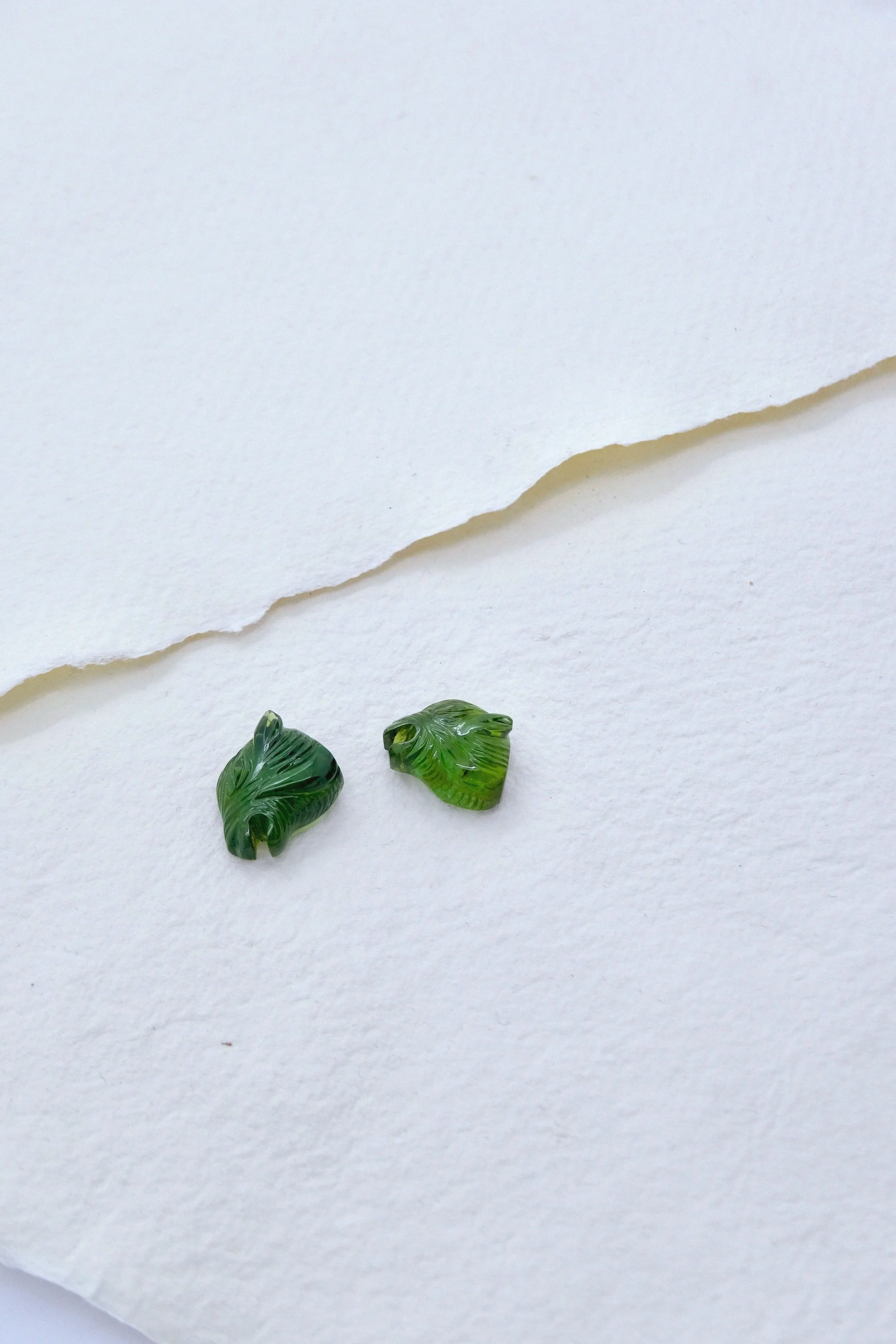
Peridot — A vivid, olive-green stone formed in volcanic rock, peridot is unusual in that it's occasionally found in meteorites. Our stones are sourced mainly from Pakistan and Myanmar.
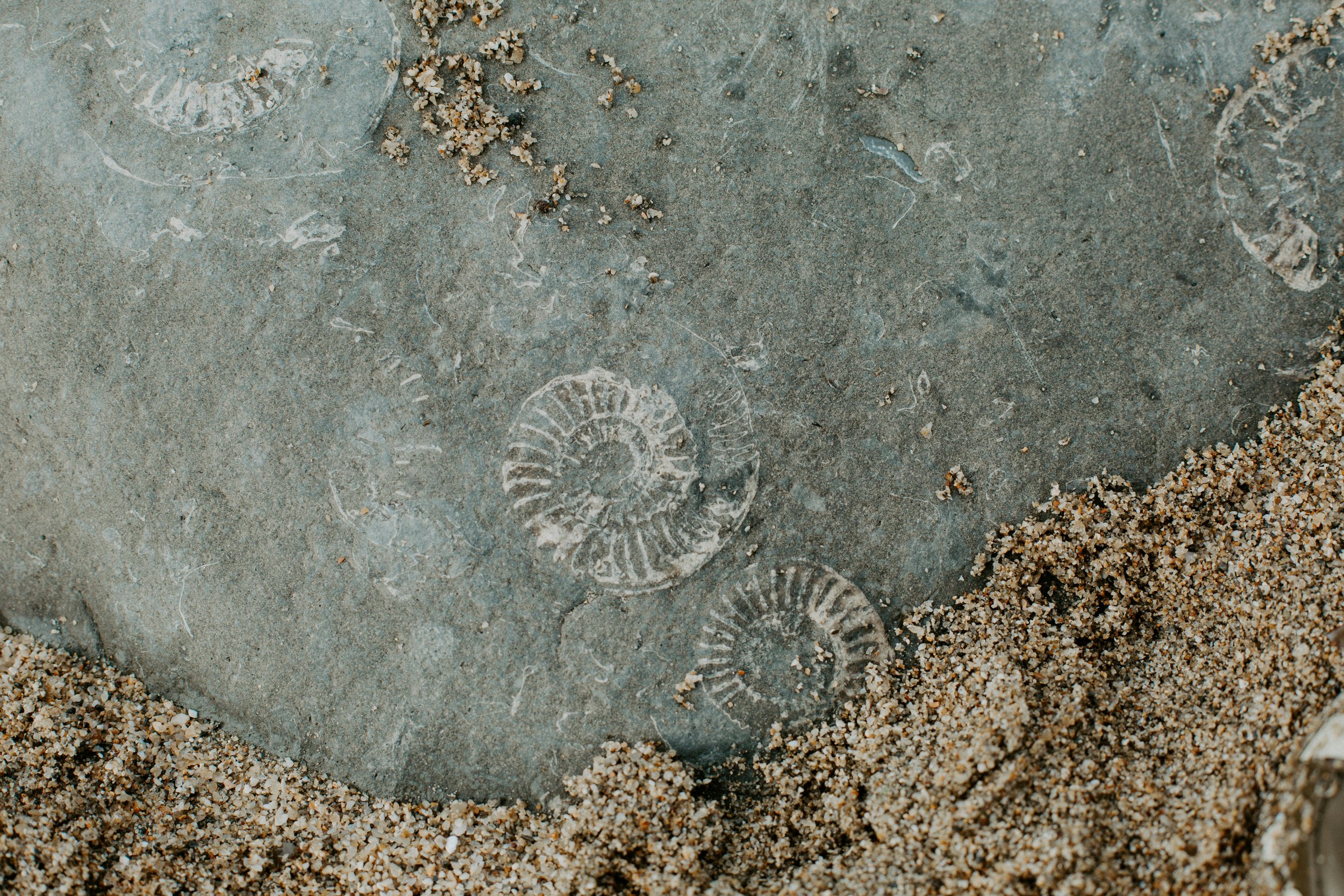
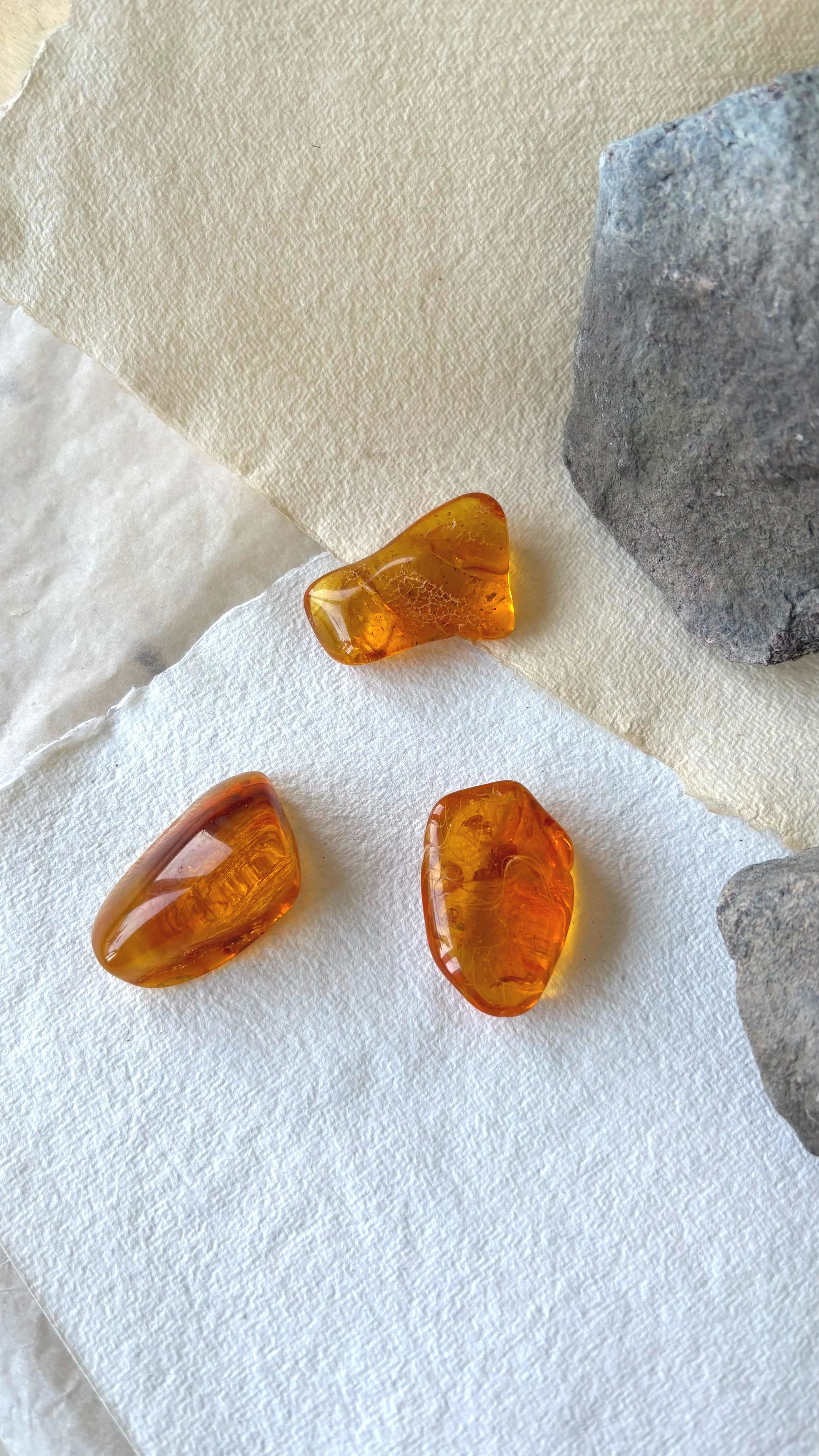
Amber — Not a mineral but fossilised tree resin, amber has been treasured for millennia for its warm, golden glow and the ancient organic matter sometimes preserved within it. The finest pieces come from the Baltic region, where it's gathered from coastal deposits.
Jade — Revered for centuries in Chinese culture as a symbol of purity and protection, jade encompasses two distinct minerals, jadeite and nephrite, prized for their smooth texture and range of greens. Our stones come primarily from Myanmar, home to some of the world's finest jadeite.
Each stone in our collection is chosen not only for its beauty, but for the story of the hands that mined it, cut it, and brought it to us.
Serena has always been drawn to naturally formed diamonds, as to her they are irriplaceaple to have the real tangible diamond worn on your finger next to the natural gold. It feels meaningful and passionate. However, we adapt to the modern world and understand the lab-grown are just as brilliant, without fault, its luxury at your fingertips.
Lets Talk Diamonds
Natural vs. Lab-Grown.
We offer both natural and lab-grown diamonds, each with their own story and appeal.
Natural diamonds are formed over billions of years deep within the earth's mantle, brought to the surface through volcanic activity. Ours are sourced only from suppliers who meet strict ethical standards, ensuring every stone is conflict-free and responsibly mined.
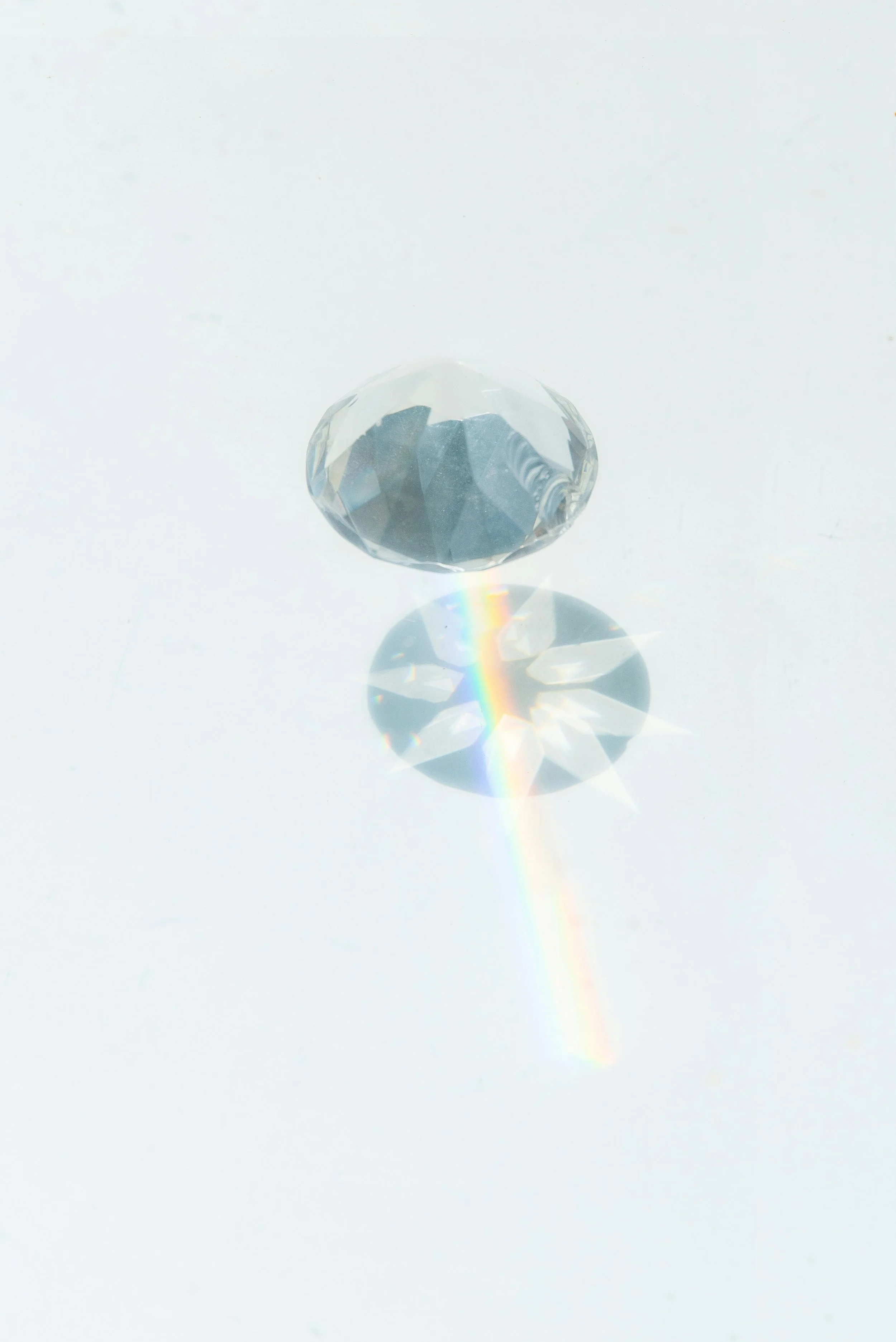
Lab-grown diamonds are chemically, physically and optically identical to natural diamonds, grown above ground using advanced technology that replicates the natural formation process. They offer a lower environmental footprint and a more accessible price point, without compromising on brilliance or durability.
Whichever you choose, every diamond we offer is certified and fully traceable, so you can wear it with complete confidence in its origin.